
Attic Wildlife Intrusion: Differentiating Squirrel, Raccoon, and Bat Activity
Mysterious attic noises can point to squirrels, raccoons, or bats. Learn how to identify each intruder through sound patterns, entry points, and visible signs.
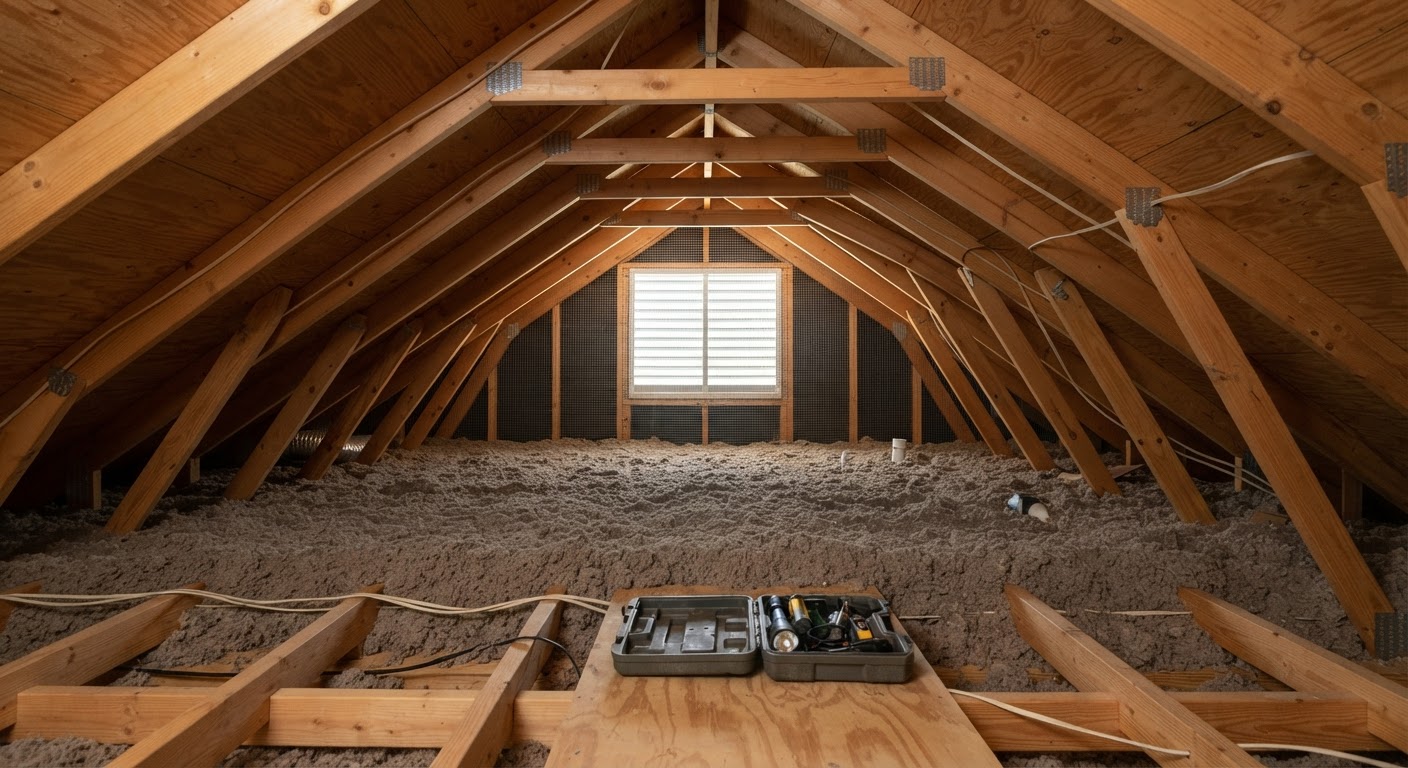
When unexpected noises echo from above your ceiling, your attic has likely become shelter for local wildlife. In Lake Ridge, where mature oak, pine, and poplar canopies border residential neighborhoods and water access along the Occoquan, wildlife intrusions are a common concern for homeowners. Rooflines, soffits, and gable vents offer attractive nesting sites for squirrels, raccoons, and bats seeking refuge from predators and seasonal temperature shifts.
Because each species exhibits distinct habits, creates different structural hazards, and requires specific remediation techniques, proper identification is the critical first step. Differentiating between these three common attic invaders comes down to analyzing auditory clues, entry characteristics, physical evidence, and the nature of the damage left behind.
Listening Closely: Timing and Auditory Patterns
Sound is often the very first sign of attic wildlife. Paying attention to what you hear and when you hear it provides an immediate clue regarding which animal has taken up residence.
Squirrels: Fast Scampering During the Day
Grey squirrels and flying squirrels operate on different schedules, but the common eastern grey squirrel is diurnal. This means you will predominantly hear activity in early morning hours just after sunrise and again in late afternoon before dusk. The sounds typically include:
- Rapid, light scurrying or scratching across drywall ceiling surfaces.
- Rolling or dragging noises, often caused by nuts, acorns, or nesting materials being moved.
- Vigorous chewing or gnawing sounds on structural timbers and joists.
If you hear frantic scampering in the middle of the night, you may be dealing with southern flying squirrels, which are nocturnal and tend to live in larger colonies than their larger grey cousins.
Raccoons: Heavy, Deliberate Movement at Night
Raccoons are significantly heavier than squirrels, often weighing between ten and twenty pounds. Because they are strictly nocturnal, their activity begins after dark and continues intermittently until just before dawn. Audible signs include:
- Slow, heavy thumps resembling human footsteps moving across the attic floor.
- Shuffling and scratching against insulation, rafters, or air ducts.
- Distinct vocalizations, including chattering, grunting, purring, or high-pitched chirps from kits if a mother has established a nursery.
Bats: Fluttering and Subtle High-Frequency Squeaks
Bats are quiet compared to rodents or raccoons. An individual bat rarely creates audible noise, but an established maternal colony can be heard during dusk and dawn as they prepare to exit or return from foraging. Listen for:
- Soft rustling or fluttering sounds within wall cavities or near the roofline.
- Faint, high-pitched clicking or scratching as they crawl into roosting positions.
- Occasional squeaking sounds just prior to sunset as the colony awakens.
Examining Entry Points and Structural Access
The location and size of the breach into your home can immediately narrow down the suspect. Different animals exploit different structural vulnerabilities.
Squirrel Entry Points
Squirrels have powerful incisors capable of chewing through wood, plastic, aluminum siding, and asphalt shingles. They often target areas where water damage has softened wood or where small gaps already exist. Common access sites include:
- Corners of fascia boards and soffit returns.
- Chewed plastic or wire mesh covering attic gable vents and ridge caps.
- Gaps where roof planes intersect or near overhanging tree limbs that provide direct access.
Raccoon Entry Points
Raccoons possess remarkable manual dexterity and raw strength. They do not just exploit existing holes; they often force their way in through destructive means. Signs of raccoon entry include:
- Torn soffit panels pulled completely downward from the eave.
- Damaged or ripped roof shingles near vent pipes and roof valleys.
- Bent or displaced metal attic louvers and mushroom vents.
- Obvious claw marks and muddy footprints on downspouts, siding, and trim boards.
Bat Entry Points
Unlike rodents, bats cannot chew their way into building materials. Instead, they rely on architectural gaps left behind during construction or created by seasonal building settling. A bat requires an opening as small as three-eighths of an inch to enter. Typical entry points are:
- Gaps along the fascia line where the roof deck meets the wall framing.
- Unscreened ridge vents or loose roof flashing around chimneys.
- Spaces around utility penetrations and corner trim boards near the upper roofline.
- Dark, brown-to-black greasy staining around the opening, caused by natural body oils on the bat’s fur as it squeezes through.
Physical Evidence: Droppings, Urine, and Staining
If you inspect the attic space from a safe vantage point, physical evidence on top of the insulation or floorboards will help confirm the species.
Squirrel Evidence
Squirrel droppings are roughly one-half inch long, cylindrical, and have rounded ends. They closely resemble large rat droppings, but they are scattered randomly throughout the attic rather than confined to specific pathways. You may also observe piles of shredded paper, shredded fiberglass insulation, leaves, twigs, and acorn hulls concentrated near their chosen nesting areas.
Raccoon Latrines
Raccoons are habit-driven animals that establish communal "latrines" in specific locations. Their droppings are much larger—typically two to three inches long, roughly the diameter of a pencil or cigar, and often contain visible fragments of berries, seeds, or insect shells. These latrines are usually concentrated in one or two spots and present serious health hazards, including the potential transmission of raccoon roundworm eggs.
Bat Guano
Bat droppings, known as guano, are small, dark, and elongated pellets with blunt ends. Unlike rodent droppings, guano is brittle and easily crumbles into a fine, powdery dust containing shiny specks—which are the undigested exoskeletons of insects. Guano typically accumulates in distinct piles directly beneath the beams, rafters, or crevices where bats roost. Over time, large accumulations produce a strong, ammonia-like odor that can permeate living spaces below.
Risks and Regulatory Considerations in Virginia
Addressing attic intrusions is not merely a matter of comfort; it involves health precautions, structural safety, and adherence to state wildlife guidelines.
- Fire and Structural Hazards: Squirrels must constantly chew to keep their teeth filed down, frequently gnawing on structural lumber, PVC piping, and electrical wiring, which poses an attic fire hazard. Raccoons can compress and contaminate vast sections of insulation, destroying home thermal efficiency and damaging HVAC flex ducting.
- Zoonotic Diseases: Raccoons and bats are primary rabies vector species in Virginia. Additionally, dried bat guano in confined, humid environments can foster the growth of Histoplasma capsulatum, a fungus that causes the respiratory illness histoplasmosis when airborne spores are inhaled.
- Wildlife Protections: In Virginia, bats are protected under state and federal wildlife regulations. Several species, including the northern long-eared bat, carry threatened or endangered status. Evicting or excluding bats during their maternity season (typically late spring through mid-summer) is strictly prohibited to prevent trapping non-volant (flightless) pups inside the structure. Professional exclusion outside these critical windows ensures humane removal that complies with wildlife statutes.
Resolving Wildlife Intrusions Safely
Attempting to seal an entry hole without knowing what is inside often backfires. Trapping an adult animal out can lead to starving young left behind, resulting in foul odors, secondary pest infestations, or an enraged mother animal tearing through drywall to reach her offspring. Similarly, sealing animals inside causes extensive damage as they attempt to chew or dig their way out into your living quarters.
A successful wildlife resolution requires positive species identification, humane eviction or one-way exclusion systems, thorough removal and sanitization of contaminated materials, and structural repairs that prevent future entry. Addressing wildlife issues early protects your attic insulation, maintains your indoor air quality, and safeguards your home against long-term structural wear.
Protect Your Lake Ridge Attic with Professional Care
If you suspect uninvited wildlife has moved into your roofline or attic space, Bugzera Pest Control provides safe, thorough wildlife control inspections and long-term exclusion strategies tailored to Lake Ridge properties. Contact our team today to schedule an attic assessment and restore peace and quiet to your home.
Need help from Bugzera Pest Control?
Contact our team to discuss your service needs in Lake Ridge and surrounding service areas.