
Fall Rodent Exclusion: Securing Townhomes and Detached Foundations Against Mice
Discover practical fall rodent exclusion techniques for Lake Ridge townhomes and single-family foundations to prevent mice from nesting in wall cavities and basements this season.
As autumn arrives in Lake Ridge, Virginia, dropping evening temperatures trigger a predictable shift in the local ecosystem. Field mice and house mice that spent the warmer months nesting along wooded borders, ravines, and garden beds begin seeking warm, sheltered harborage for the winter. Residential structures offer everything a rodent needs: warmth, insulation, moisture, and consistent access to food scraps.
Because Lake Ridge features a diverse mix of planned townhome clusters and standalone single-family residences, exclusion strategies must account for differing architectural vulnerabilities. Mice do not require a massive structural failure to invade; an opening no larger than a dime provides sufficient clearance for an adult mouse. Securing your perimeter before freezing weather sets in is the most reliable way to prevent nesting, property damage, and unsanitary conditions.
The Unique Rodent Dynamics of Townhome Communities
Attached living spaces present unique pest management challenges. In Lake Ridge townhome developments, units share party walls, continuous rooflines, and clustered utility supply lines. If a rodent discovers an entry point in one exterior section, it often gains access to an entire row of residences via shared floor joist cavities, dropped ceilings, and attic raceways.
Shared Utility Corridors and Pipe Chases
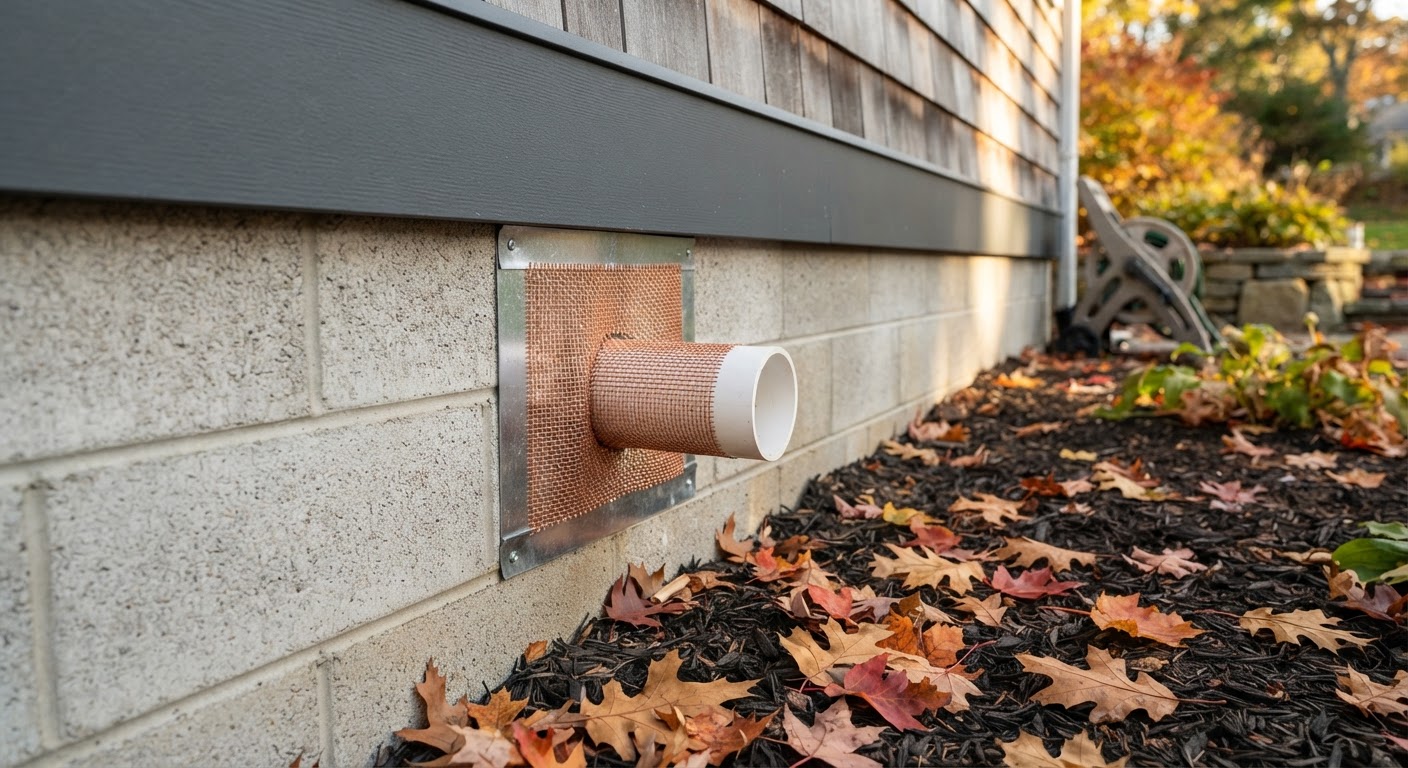
Townhomes are frequently designed with utility services grouped closely together on exterior rear or side elevations. Electric meters, heat pump refrigerant lines, natural gas pipes, and cable connections penetrate the exterior siding in concentrated areas. Over time, builders' sealant dries out, cracks, and flakes away, leaving gaps around the conduits. Mice use these pipes as highway systems, moving effortlessly from the exterior ground directly into utility closets and behind drywall.
Rear Decks and Lower-Level Siding Transitions
Many townhomes feature multi-level walkout basements topped by elevated wood or composite decks. Ledger boards secured directly against the exterior band board create small, shadowed recesses that protect rodents from predators while they investigate gaps. Where vinyl siding meets the lower foundation or brick skirt beneath a deck, loose trim strips and unbacked J-channels frequently conceal open channels directly into the floor structure.
Foundation Vulnerabilities in Detached Single-Family Homes
Detached properties in Lake Ridge, particularly those backing up to mature tree canopies and watershed corridors, face intense perimeter pressure from outdoor rodent populations. Without shared walls to distribute entry points, mice focus their efforts directly on the foundation perimeter, crawl space vents, and garage transitions.
Sill Plates and Rim Joists
The interface where the wood framing rests atop the concrete foundation—known as the mudsill or sill plate—is a primary intrusion zone. Concrete is rarely perfectly smooth, and slight variations in the pour can leave shallow horizontal voids beneath the sill seal. In homes with crawl spaces or unfinished basements, mice can squeeze beneath siding, chew through degraded insulation board, and enter directly above the foundation wall.
Crawl Space Vents and Access Doors
Older detached homes frequently utilize passive crawl space ventilation covered with light wire screening. Autumn leaf litter accumulates against these ground-level vents, trapping moisture that rusts wire mesh and rots wooden vent frames. Once the screen weakens, mice slip through to nest within fiberglass batt floor insulation. Exterior crawl space hatch doors, often made of marine plywood or light steel, tend to warp along bottom edges, leaving ground-level gaps that mice easily exploit.
Brick Weep Holes and Masonry Veneers
Homes built with brick veneer require weep holes along the lowest course of brickwork to allow trapped moisture to escape. Unfortunately, these vertical openings are large enough for mice to enter the drainage cavity behind the masonry. Once inside this interstitial space, mice can climb upward to the attic or find openings around rough-framed window and door openings.
Selecting the Right Exclusion Materials
One of the most frequent mistakes property owners make when attempting rodent exclusion is using improper materials. Expanding polyurethane foam from an aerosol can might seal drafts, but mice can chew through standard expanding foam in minutes. Effective exclusion requires durable, non-chewable materials installed with mechanical fasteners or industrial-grade sealants.
- Galvanized Hardware Cloth: Quarter-inch or one-eighth-inch galvanized steel mesh is the standard for covering foundation vents, crawl space hatches, and large structural voids. It resists rust and cannot be gnawed through.
- Stainless Steel or Copper Mesh: For smaller gaps around pipes, conduit entries, and corner posts, pack spaces tightly with copper or stainless steel mesh (such as coarse wire wool designed specifically for pest proofing). Unlike standard steel wool, these alloys will not rust, discolor, or disintegrate when exposed to rain.
- Polyurethane or Silicone Sealant with Embedded Mesh: Combine flexible elastomeric sealant with packed mesh. The wire stops rodent teeth, while the sealant blocks airflow, stopping the scent of warm interior air from escaping and attracting pests.
- Metal Weep Hole Inserts: Specialized stainless steel spring inserts fit snugly into brick weep holes, preserving structural ventilation while creating an impassable barrier for mice.
- Heavy-Duty Garage Door Sweeps: Replace thin vinyl sweeps with heavy rubber or brush seals fitted with internal stainless steel mesh to stop gnawing at the vulnerable bottom corners of garage doors.
Step-by-Step Fall Inspection Checklist
Perform an exterior perimeter audit on a clear afternoon before nighttime temperatures drop into the freezing range. Walk the entire structure with a flashlight and a pencil; if a standard pencil fits into a hole or crack, a juvenile mouse can likely enter.
- Clear Vegetation: Trim shrubs, ornamental grasses, and groundcover back at least 18 inches from the foundation to eliminate protective ground cover and expose structural gaps.
- Inspect All Utility Penetrations: Check HVAC lines, exterior spigots, electrical service lines, and exhaust vent terminations. Seal all gaps securely with wire mesh and outdoor sealant.
- Examine Basement Window Wells: Clear accumulated leaves and debris from below-grade window wells. Inspect window frames for rotted wood, failing caulk, or loose glass panes.
- Check Exterior Door Thresholds: Stand inside a darkened garage or basement and look at the bottom of the doors. If daylight shows beneath the weatherstripping, install new commercial-grade door sweeps.
- Evaluate Soffits and Roof-to-Wall Intersections: Mice are adept climbers that use downspouts, rough siding, and nearby tree branches to access roof transitions, dormer corners, and fascia boards.
Professional Rodent Exclusion Solutions
Preventing rodent infestations requires attention to fine structural details and an understanding of animal behavior. Temporary fixes or surface-level traps often fail to solve the underlying vulnerability, allowing mice to establish hidden nesting networks inside insulation and wall framing.
Bugzera Pest Control provides detailed rodent inspections and long-term exclusion services tailored to Lake Ridge townhomes and single-family properties. If you suspect rodent activity or want to reinforce your home's foundation against pests this fall, contact our experienced local team today to schedule an evaluation.
Need help from Bugzera Pest Control?
Contact our team to discuss your service needs in Lake Ridge and surrounding service areas.